Set campaign safeguards
Sender identity comes first, and if you're using an alphanumeric sender ID, register it so a reply path is either provided or clearly stated as unavailable. Declare your use case honestly inside the bulk SMS platform, because marketing traffic sent down a transactional route is the fastest way to get filtered.
Then handle timing and opt-outs. UK direct marketing convention keeps promotional texts inside reasonable daytime hours, and your bulk SMS platform should hold scheduled sends to that window. Switch on delivery reporting so you get per-message status back, and confirm that STOP and UNSUBSCRIBE are processed automatically the moment they arrive.
Immediate suppression does more than satisfy the rules. Every honoured opt-out removes a person who would have ignored or reported your next message, which keeps the send pool made of people who still want to hear from you.
Write one clear message
The structure that works is boring and short. Name yourself in the first two or three words so the message is recognisable before anyone reads further. State the value in one sentence. Give one instruction, then the exit.
Keep it under 160 characters where you can, since longer messages get split into segments and billed accordingly.
Promotional and transactional messages should be separate. A delivery notification with a discount code tucked into it is a marketing message wearing a disguise, and it's the exact behaviour that turns customers into complainants. If the text exists to inform, let it inform, and send the offer separately to the people who consented to offers.
Launch bulk SMS messaging
Schedule inside allowable hours for each recipient's location. For a UK-only list that's simple, but the moment you have subscribers in Ireland or further afield, your bulk SMS platform needs to stagger the send by local time.
Start with a controlled segment. Send to 10% of the pool and watch delivery reports for 30 minutes before releasing the rest once the numbers look right. A pre-send check should confirm:
-
Consent records exist and are current for every number in the pool
-
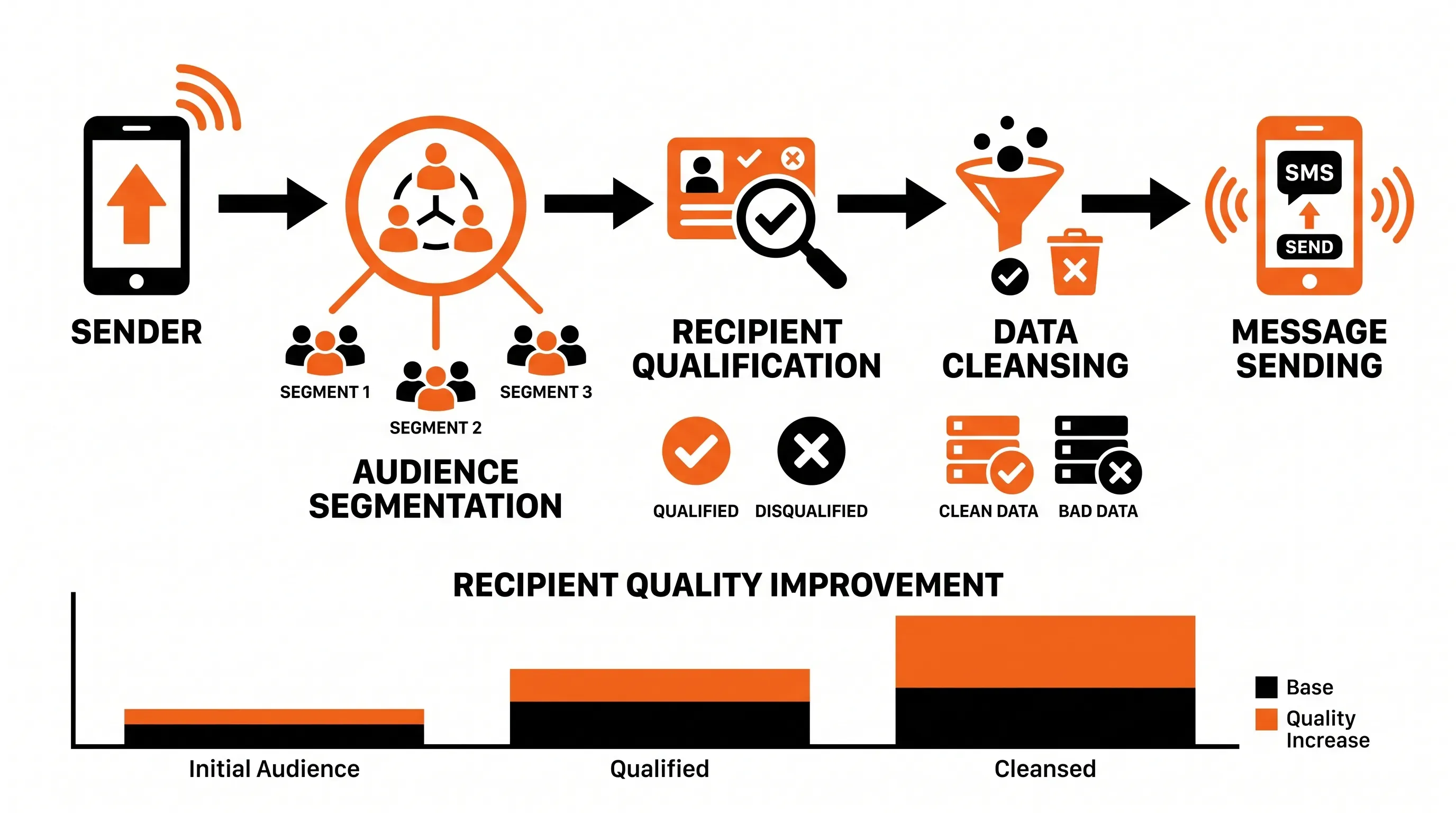
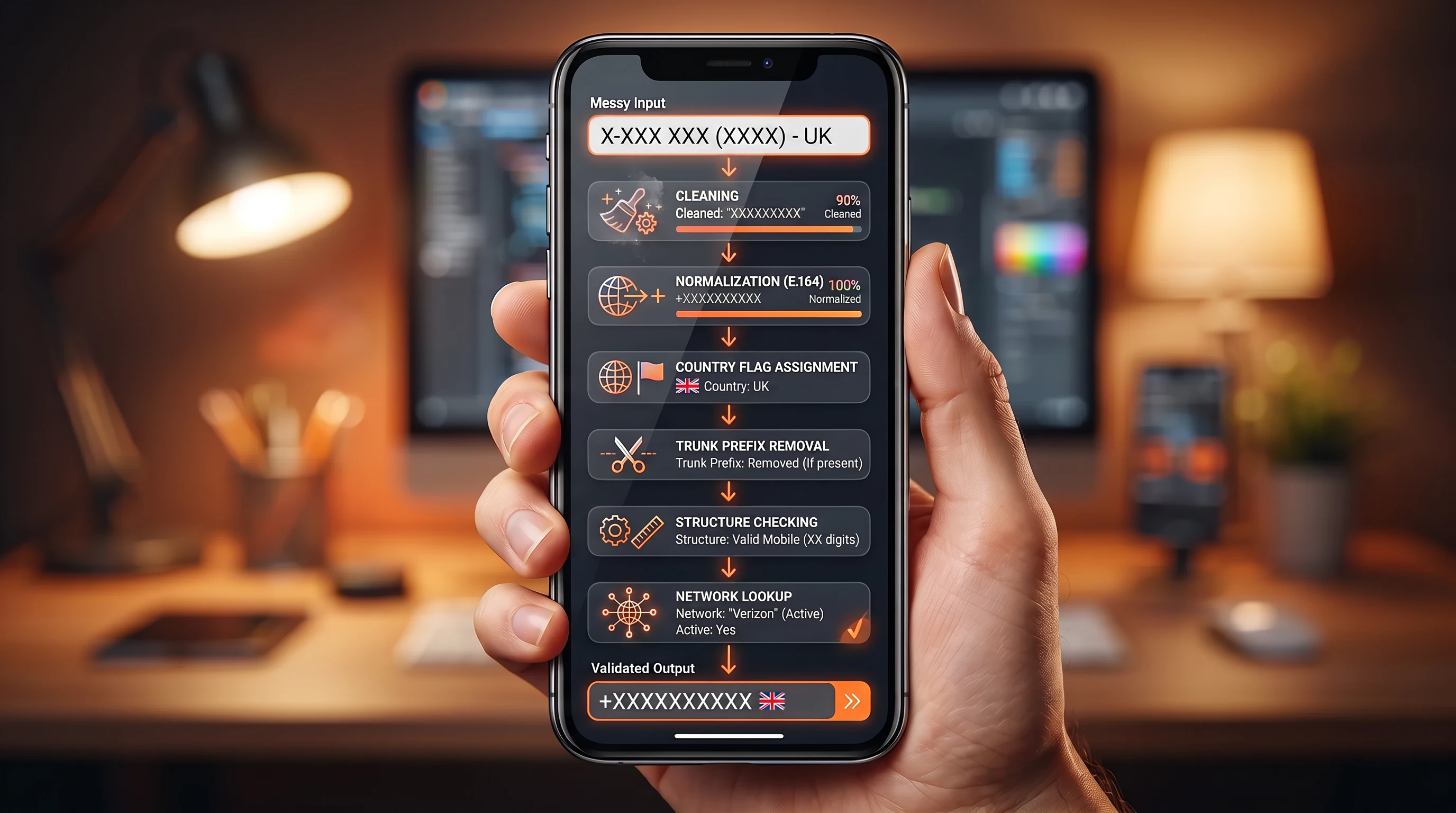
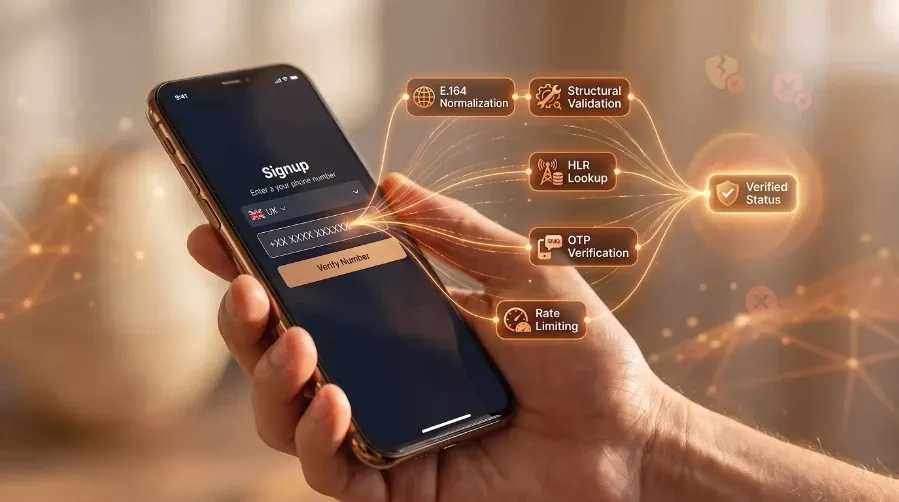
Numbers have been validated for line type and reachability since the last import
-
Links are shortened under your own domain and land on a mobile page
-
Personalisation fields populate correctly, with a fallback for blanks
-
One call to action, plus opt-out wording, appears in the body
-
Sender ID and use case are set as intended
That list takes ten minutes and prevents the failures that make people abandon bulk SMS messaging after one attempt.
Measure campaign results
Four numbers matter against the goal you set. Delivery rate tells you whether your list and configuration hold up. Response rate tells you whether the message earned attention. Conversion rate tells you whether the offer worked, and opt-out rate tells you whether you're spending goodwill faster than you're earning revenue.
Read them by segment, because campaign-wide averages hide the thing you need to see. A 94% delivery rate across the whole send looks fine until you find one imported segment sitting at 71% and dragging the rest up. The same applies to conversions, where a strong performer can mask a segment that shouldn't have been included.
Compare against something. Omnisend's analysis of over 712 million SMS messages sent by ecommerce brands in 2024 recorded a click rate of 10.66% and a conversion rate of 0.36% per message, which gives you a rough floor. Your own second campaign is the better benchmark once you have one.
Fix common campaign problems
Frequency causes more damage than bad copy. More than one promotional text a week, without having told people at sign-up what to expect, reads as harassment regardless of how good the offer is. Say the frequency up front and hold to it, and if you need to increase it for a seasonal push, tell people first.
Hidden promotions in transactional texts are the second recurring problem in bulk SMS messaging, and they carry legal weight. The ICO treats a message with any promotional content as direct marketing, which means it needs marketing consent even if the rest of the text is a shipping update. There's no partial exemption for a message that's mostly operational.
Rising opt-outs are information. When they climb, check frequency and relevance before touching the creative, because both are more likely causes.
And when delivery falls, look at the list first. Stale or unvalidated numbers explain far more delivery drops than message content or send timing ever will, so re-run validation before you rewrite a single word. That order saves you from redesigning a campaign that was working fine and simply pointed at numbers nobody answers.
Where to go from here
A first bulk SMS messaging campaign is a test of process. One goal and a validated list will beat a clever text sent to a dirty database every time. Measure by segment and validate before you blame anything else.
Acudo provides number validation and Home Location Register lookups, so you know which numbers are live and reachable before you pay to message them. Talk to our team about the list quality behind your bulk SMS messaging.